
An achievement is a set of slots. Each slot accepts one or more specific pieces, and it is filled when you own one of them. Fill every slot and the achievement unlocks.
There is no partial unlock: an achievement is complete or it is not. What there is, is visible progress — every card shows its slots, the ones you have filled with the actual thumbnail of your piece, and a bar with how far along you are.
Own the three pieces of the squad. Sell one and the achievement locks again.

It certifies what you hold now, not what you held once
Selling or transferring away a qualifying piece re-locks the achievement. Its slot empties, and if that was the last one, the achievement goes back to locked. Its public page stops certifying it.
That is the design, not a bug: the achievement says this person holds this, in the present tense. A certificate of something you no longer own would be worth nothing.
One piece fills one slot
A piece you own cannot fill two slots at once, even when both slots accept it.
This is what makes «own six pieces from this set» mean six pieces. Those six slots each accept the whole set, and the matching between your pieces and the slots makes sure each slot gets a different one of yours. Without that rule, a single piece would fill all six.
A remastered piece and its re-inscription count as the same piece. A slot asking for the old one is filled by the new one, and the other way round. Only that pair — a different piece is still a different piece.
The kinds of achievement you will see
- A specific set: own these particular pieces. Filling it is a checklist.
- N distinct pieces from a pool: own any six of these hundred. Which ones is up to you.
- One from each group: genuinely disjoint groups, so it takes one of each.
Some have a prerequisite: they do not appear at all until you have unlocked the one they depend on. An achievement you have never seen may be waiting behind another.
Where you see them
- Your Glory Zone — every achievement available to you, with your progress and a summary of how many you have.
- The public leaderboard — every achievement and who currently holds it. No account needed, and its top three get a podium:
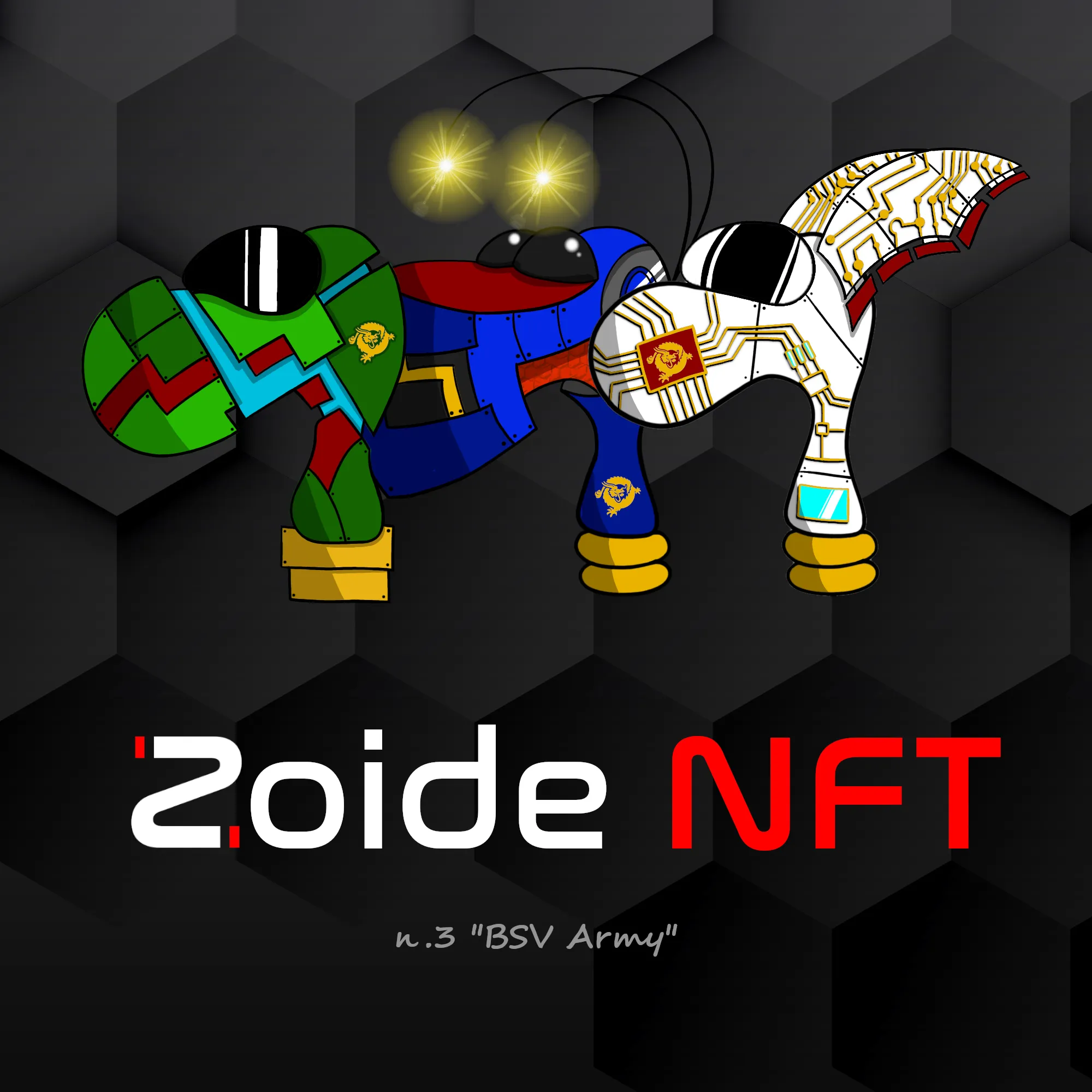
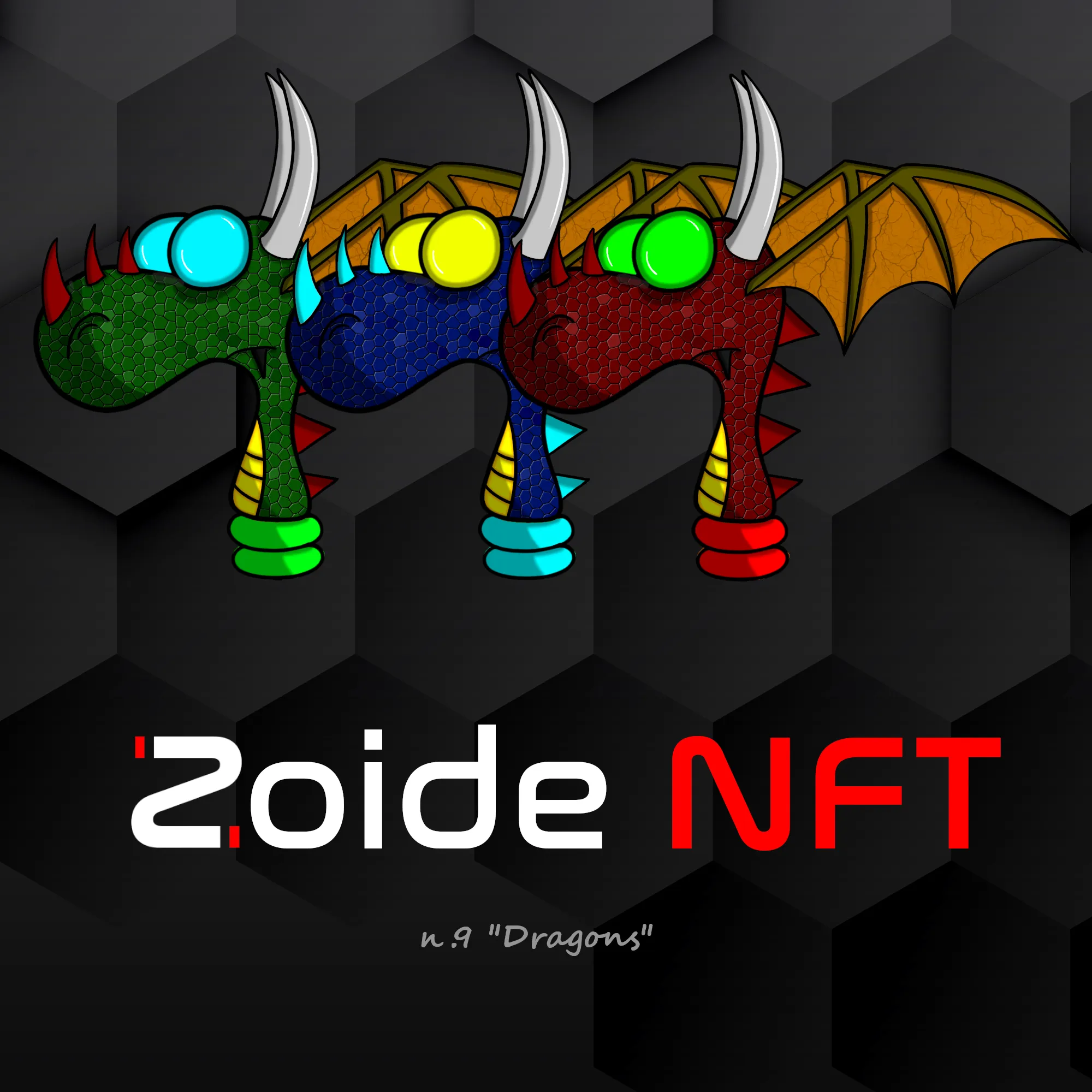
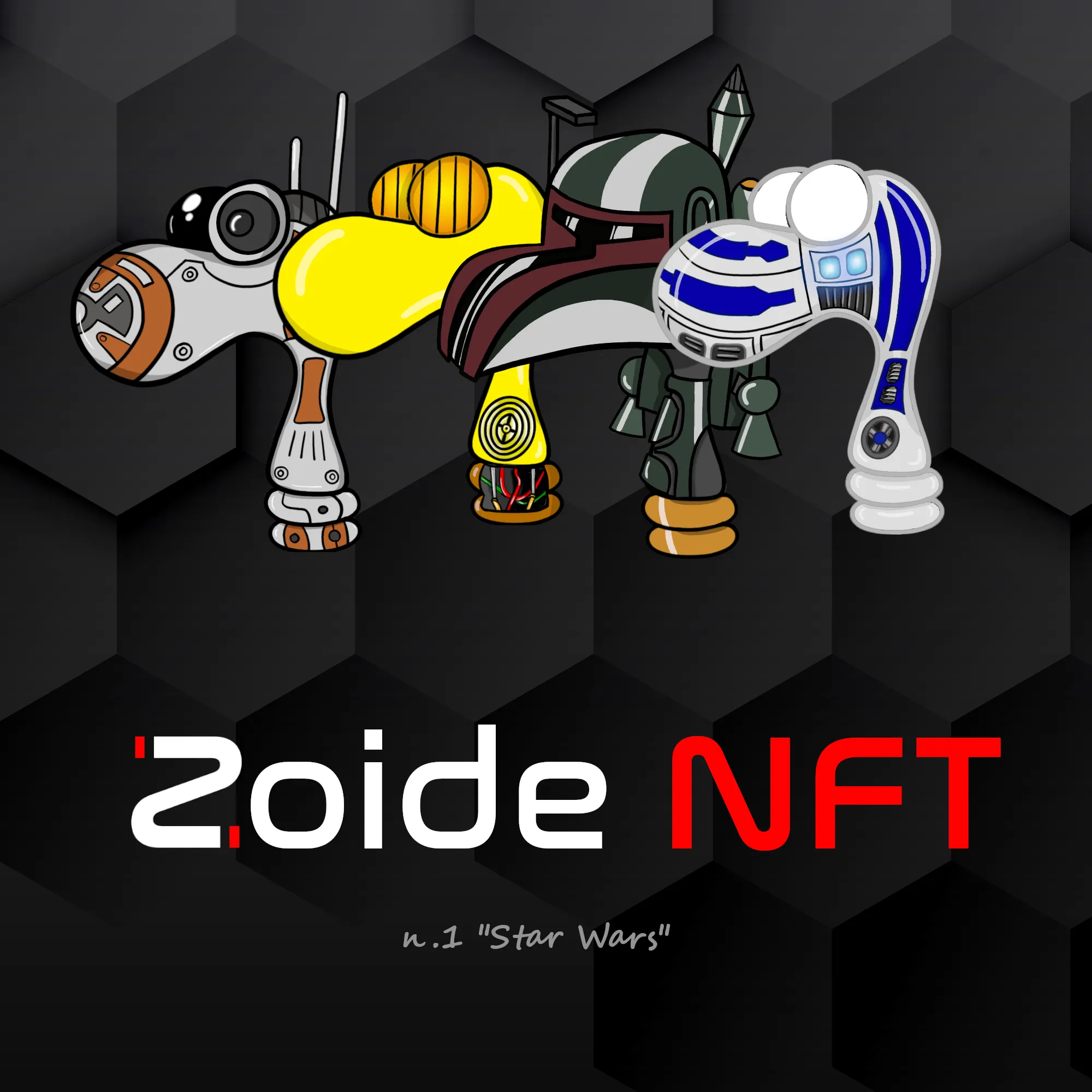
- A public page per achievement and person, which is a shareable certificate. It is not served for somebody who does not currently hold it.
- Next to your name, all over the site: your most notable unlocked achievement travels with your identity.
Progress is never stuck waiting for a queue
Progress recalculates when your wallet syncs and after every confirmed purchase, transfer or claim, and it is refreshed when you open Glory Zone.
That last part exists because background work can fail to run, and progress that silently never appears is indistinguishable from an achievement being broken. Opening your own page brings it up to date there and then.
What can still be behind is your wallet itself. If it has a pending resync, Glory Zone says so: pieces you just got may not be reflected yet. See My balance or my wallet looks wrong.
Notifications, with one exception
You are notified when an achievement unlocks — except during a full wallet resync, which can unlock several at once and would otherwise flood you. The unlock is still recorded; only the notification is held back.
Rewarding achievers
Some achievements let anybody signed in reward the people who hold them, in one payment. It is off unless it has been enabled for that achievement, and it never pays the person paying.
Related
- Your public profile — the achievements tab
- Ranks, rankings and what they get you
- Notifications